General News
26 May, 2026
Reflecting on truth-telling
The impact of Australia's first indigenous-led truth-telling process will be discussed at Words in Winter this weekend.
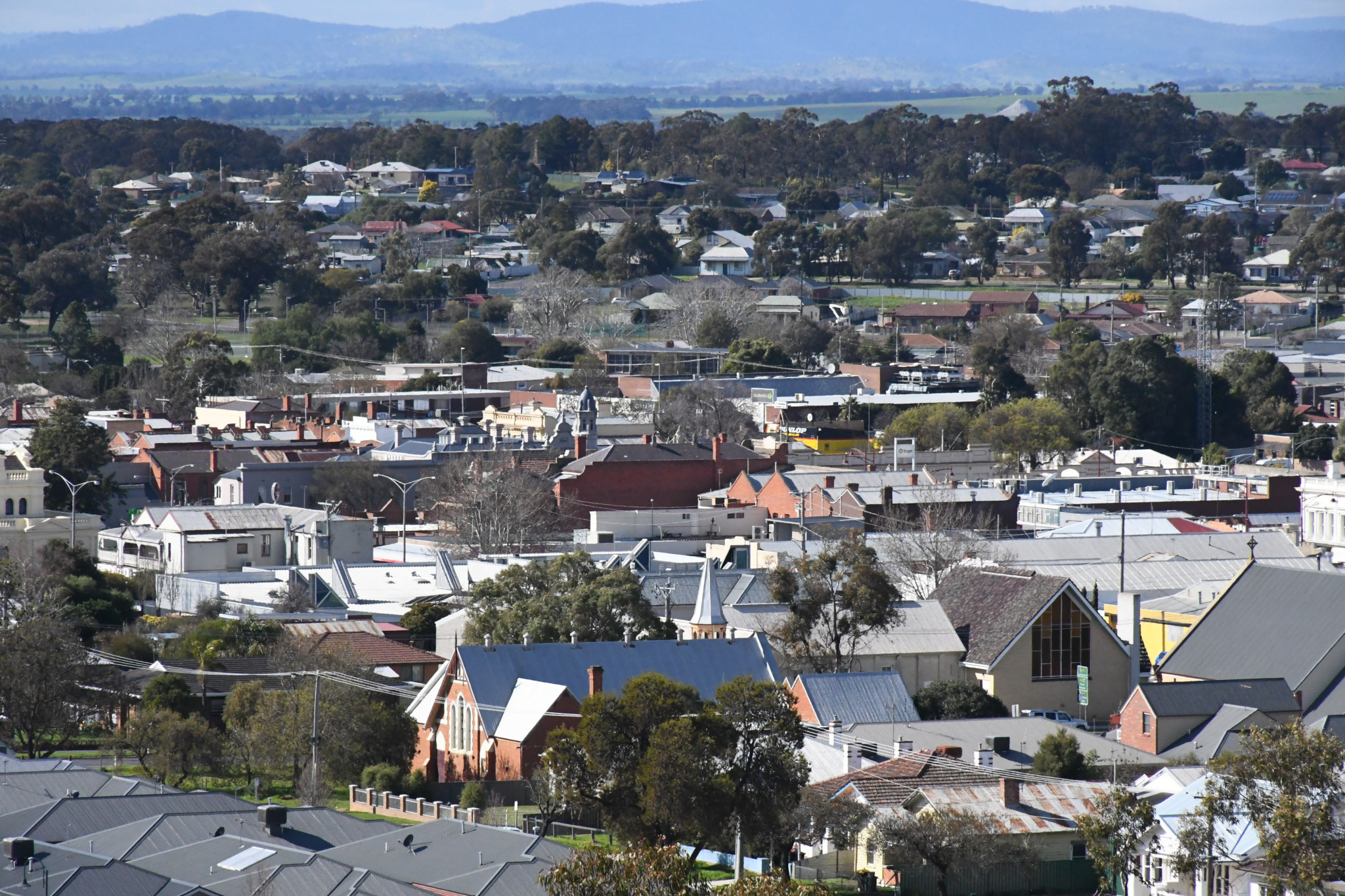
Australia’s first indigenous-led truth-telling process, the Yoorrook Justice Commission, will be discussed at Words in Winter this weekend.
A panel of speakers will reflect on the importance of truth-telling and how it highlighted the historic and ongoing injustices First Peoples face.
Yoorrook, named after the Wemba Wemba/Wamba Wamba word for ‘truth’, was established in May 2021 to create a public record of First Peoples’ experiences and promote change.
This was done by centering the voices of First Peoples, speaking with them and other Victorians, to gather their testimonies on the impacts of colonisation.
Among them was Gippsland woman Elizabeth Balderstone, who will speak in Maryborough this weekend, and who made a submission on the Warrigal Creek Massacre.
Ms Balderstone has long advocated for formal recognition of the massacre — whose site her farm includes.
In 1843, in retribution for a murder, a band of settlers known as the Highland Brigade shot between 60 and 150 Brataualung people.
“The Brataualung people were tragically decimated in the process,” her submission read.
Ms Balderstone said that the true story of the nation’s history is often “suppressed” causing further harm.
“It’s not just traditional owner’s story it’s our story as a whole nation,” she said.
“It’s not a threat it’s just about being open and honest about our nation’s history.”
Among Yoorrook’s findings was that some colonial laws and policies which “deliberately” disrupted First Peoples’ connection to their culture “would amount to genocidal acts”.
It also found First Peoples communities were displaced and massacred in European settlers’ pursuit of land and resources.
According to their findings, by the end of the 1860s, at least fifty massacres had been recorded seeing eight colonists killed compared to 978 First Peoples.
According to University of Newcastle data, locally massacres may have occurred at Mount Mitchell in 1838 and near Mount Cameron toward the end of 1839 collectively involving the deaths of sixteen First Peoples.
In the 20 years that followed the arrival of Europeans in Victoria the state’s First Peoples are estimated to have declined from 15,000 to just 1907.
“There is an unbroken line between past atrocities, government actions and the experiences for First Peoples today,” Yoorrook’s findings read.
“First Peoples have experienced, and continue to experience, political, social and economic injustices, and human rights violations, as a direct result of colonisation.”
The findings, and the recommendations which contributed to the state’s historic treaty with Victorian traditional owners, will be discussed by Ms Balderstone alongside Peter Sharp, Kevin Moore and Member for Bendigo West Maree Edwards.
Ms Balderstone encouraged the community to attend.
“There’s a lot of sadness in these stories and the repercussions of them are tragic but unless we acknowledge and share them we’re just going to stay stuck in this moment,” she said.
“We all need to step outside our comfort zone.”
Further information and tickets can be found at wiwcg.com.au